Upholstery Cleaner for Car Seats

SWAG Upholstery Cleaning · 5 products

A car upholstery cleaner that lifts stains out of fabric seats and carpets without drying to a chalky white residue. Five formats, from ready-to-use sprays to a 5-litre concentrate, all blended in our own studio in Poland.

  • No white residue
  • Seats, carpets, mats
  • RTU or concentrate
  • Made in Poland

Showing all 5 results

Spray, bonnet pad or extraction?

Same no-residue chemistry, three ways of getting the soil back out — pick by the kit you actually own.

Simplest

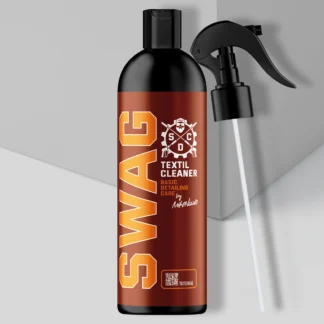
BASIC TEXTILE CLEANER

Spray, brush, wipe out

Ready to use from the trigger, for a Saturday clean-up of seats, mats and boot carpet. LADY TEXTIL CLEANER RTU is the same idea with a softer scent, which matters more than you would expect in a small cabin.

  • No mixing, no dilution
  • Everyday stains and grubby mats
  • Dries without chalky marks
View products →
Deepest

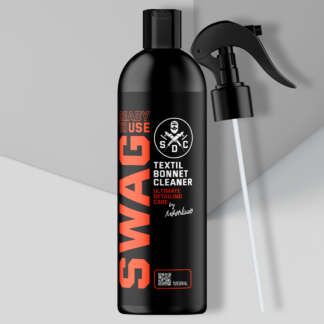
TEXTIL BONNET CLEANER RTU

Hand method · bonnet pad

Built for the bonnet-pad method: spray the panel, then work the soil up into the pad instead of pushing it further into the foam. It is the closest you get to machine results without owning a machine.

  • Made to work with a bonnet pad
  • Lifts soil out, not in
  • V.2.1 is our newest recipe
View products →
For pros

TEXTILE CLEANER CONC. 1:20

Extraction machines · 5L

The studio option: diluted at 1:20 a 5-litre bottle keeps a busy unit running wash after wash. Pair it with TEXTIL CLEANER CONCENTR PRE as the pre-spray before you extract.

  • 5 litres, diluted 1:20
  • Pre-spray, agitate, then extract
  • Follow the label for dilution
View products →

Fabric seats, stains and deep cleaning

The three questions behind almost every upholstery job, answered properly.

How do you clean fabric car seats?

Vacuum thoroughly first, because cleaning over grit just grinds it into the weave. Spray the textile cleaner evenly across one seat panel, give it a short dwell, then agitate with a soft brush so the soil comes up to the surface. Wipe it out with a clean, slightly damp microfibre, turning the cloth as it loads up, and repeat the pass rather than soaking the fabric. Leave the doors open until the seat is genuinely dry to the touch.

How do you clean car seat stains?

Treat the stain itself before you clean the whole panel. Spray it directly, let the cleaner dwell for a moment, agitate gently and blot inwards from the outside so you do not spread a wider ring. Repeat the cycle two or three times instead of scrubbing harder — patience lifts more than pressure, and hard scrubbing fluffs and marks the fabric. Fresh spills come out far more easily than old ones, so deal with them the same week they happen.

How do you deep clean a car seat?

The thorough method is pre-spray plus extraction: apply TEXTIL CLEANER CONCENTR PRE, agitate it into the fabric, then flush and vacuum it back out with an extraction machine. Without a machine, TEXTIL BONNET CLEANER RTU and a bonnet pad get impressively close; it simply takes more passes and more patience. Either way, work one panel at a time and keep the fabric damp rather than saturated. Drying is half the job — a seat that dries slowly is a seat that smells.

Step by step

  1. Vacuum firstGet the grit and crumbs out before anything wet goes on, or you will grind them into the fibres.
  2. Test a hidden spotTry the cleaner under a seat or on a hidden edge first, especially on light or delicate fabric.
  3. Spray and agitateMist the panel evenly, let it dwell briefly, then work it with a soft brush to lift the soil.
  4. Wipe out and dryPull the soil away with a clean damp microfibre, then dry the car with the doors open.
Damp, not soaked

Over-wetting is the classic mistake: excess water carries dirt down into the foam, the seat takes days to dry and you end up with a musty smell instead of a clean one. Use less liquid and more passes.

Upholstery cleaning questions

Straight answers on residue, machines, and what these cleaners will and will not shift.

What is the best upholstery cleaner for cars?

The one that removes the stain and then disappears. A cleaner that dries to a white, chalky film or leaves a sticky surfactant residue simply attracts fresh dirt within weeks, so no-residue matters more than raw strength. After that it is a question of format: ready-to-use for convenience, concentrate for cost per litre and machine work. Everything in this range shares the same no-residue base.

Do I need an upholstery cleaning machine?

No. An extraction machine flushes the fabric and pulls the dirty water straight back out, which is why studios use one, but a spray, a soft brush and clean microfibres will handle most family-car upholstery. The bonnet-pad method sits in between and gets you a long way for very little kit. If you do own a machine, use TEXTIL CLEANER CONCENTR PRE as the pre-spray and the 1:20 concentrate through the tank.

Will an upholstery cleaner remove old stains?

Sometimes, and it is fairer to say that than to promise miracles. Fresh spills lift easily, and most everyday grime — shoe marks, spilt coffee, general grubbiness — clears in two or three passes. Marks that have been baked in by sunlight for years, or dyes such as ink, may lighten rather than vanish completely. Repeat gentle passes; do not escalate to scrubbing or household bleach-type products.

How do I clean a car seat without leaving water marks?

Water marks are usually a tide line, caused by too much liquid drying unevenly in one patch. Clean the whole panel seam to seam rather than a single spot, keep the fabric damp rather than soaked, and finish by wiping the full area with a clean damp microfibre so there is no hard edge left. Then dry it quickly with the doors open, or a fan if you have one.

Can I use these on carpets, mats and boot liners?

Yes — car carpets, mats and boot liners are the same fabric job as the seats, just dirtier. Take the mats out of the car so you can spray, agitate with a stiffer brush and rinse or extract them properly, then dry them separately before they go back in. Alcantara and suede-effect trim are a different matter: use minimal liquid and always test a hidden area first.

Finish the rest of the cabin

Textiles are one surface — here is what handles the others.

M
Written by
Mike Nizzio · Founder, SWAG Detailing

13 years in detailing and a working studio in Poland. Every SWAG product is formulated, tested and filmed in-house before it earns the label.

Showing all 5 results