Car Tar Remover & Paint Decontamination
Tar, glue and bonded fallout do not come off in a wash — they need the right chemical. These studio-formulated removers soften black asphalt spots and adhesive residue so you can wipe them away instead of scrubbing your paint.
- Dissolves tar & glue
- RTU and gel options
- Made in Poland
- UK stock, tracked delivery
Showing all 3 results
-
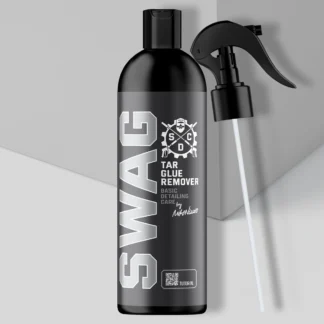
Swag BASIC TAR GLUE REMOVER / 500ml | Removes Black Spots: Asphalt, Grease, and Adhesive
£6.99 Add to basket -
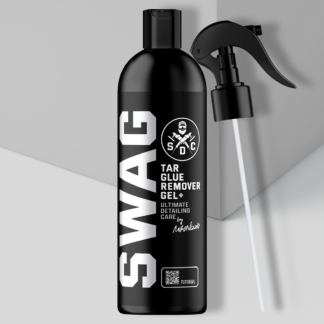
Swag TAR GLUE REMOVER GEL+ V.2 / 500ml | Decontamination | Removes Asphalt, Grease, and Glue | Gel Formula
£9.99 Add to basket -
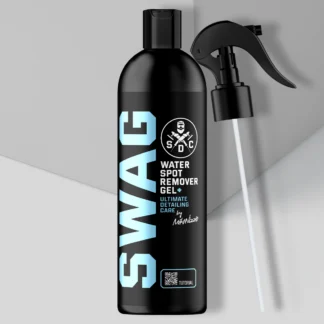
Swag WATER SPOT REMOVER GEL+ / 500 ml | Removes water spots and mineral deposits | Hand application | Gel formula
£10.99 Add to basket
Chemical decontamination, explained
What a wash leaves behind, and how to get it off without touching the paint harder.
How do you remove tar from a car?
Chemically, not with force. Spray a dedicated tar remover onto the black spots, give it a minute or two to soften the deposit, then lift it away with a soft microfibre — no scraping, no fingernails, no polish. Stubborn spots want a second application rather than harder rubbing. Wash the panel afterwards, because the solvent leaves a residue you do not want to seal under a wax.
What does a fallout remover actually do?
It dissolves the hot metal particles that brake dust and railway lines fire into your paint. Those specks embed themselves in the lacquer and rust from the inside out, which is why a clean-looking white car still shows orange dots up close. A fallout remover reacts with the iron and bleeds purple as it works, so you can watch the contamination leave. The iron removers in our Wheels range do this job — use them in the open air, on cool panels, and never in direct sun.
How do you clean alloy wheels?
Start with a dedicated cleaner from our Wheels range on cool wheels, agitate with brushes, then rinse thoroughly. What that leaves behind is the baked-on tar flicked up off the road, and tar needs a solvent rather than more scrubbing — treat those spots exactly as you would on paint. Household hacks and penetrating oils shift some of it, but they leave an oily film that then has to be washed off, and they do nothing about the iron. Do the arches and sills in the same session, as tar collects along the whole lower third of the car.
Step by step
- Wash firstDecontamination works on clean paint, so get the loose dirt off before any chemical goes on.
- Iron, then tarLet a fallout remover deal with the metal particles, then treat the black spots with a tar remover.
- Dwell, don't scrubGive the solvent time to soften the deposit, then wipe it away with a soft microfibre.
- Rinse and protectWash the panels down afterwards and re-apply protection, because solvents take the old layer with them.
A tar remover takes off whatever protection is on the paint along with the tar, so plan to re-wax or re-coat the panels you treat. Work in the shade, on cool panels, with plenty of air around you — these products smell as strong as they are.
Decontamination questions
What comes off in a wash, what needs a chemical, and in what order.
How do you get tar off a car without damaging the paint?
Let the chemical do the work. A tar remover softens the asphalt so it wipes away under almost no pressure; the damage people report comes from scraping, or from rubbing a dry and gritty spot. Work panel by panel, in the shade, on a cool surface. On fresh paint, a wrap or a delicate finish, test a hidden area first.
What is the difference between a tar remover and a fallout remover?
They target completely different contamination. A tar remover is a solvent for sticky, organic deposits — road tar, bitumen, adhesive, glue residue and some tree sap. A fallout remover goes after embedded metal particles instead, bleeding purple as it dissolves them. A proper decontamination uses both, because neither one touches the other's job.
Should I use the ready-to-use remover or the gel?
BASIC TAR GLUE REMOVER is the straightforward choice for occasional spots and horizontal panels: spray, dwell, wipe. TAR GLUE REMOVER GEL+ V.2 is thickened so it clings to doors, sills and arches instead of running straight off, which buys a longer working time on heavier contamination. If the car lives on motorways or near roadworks, the gel is the one that saves you repeat passes.
Will a tar remover take off sticker and badge glue?
Yes — adhesive residue from badges, dealer stickers and old tape is the same kind of job as tar, and both removers are formulated for glue as well. Apply, wait until the residue turns soft and gummy, then wipe rather than pick at it. Anything still there after two passes needs a third dwell, not more pressure.
How often should you decontaminate a car?
For most UK cars, twice a year: once after winter to clear the salt-season fallout, and once before you protect the paint for the colder months. Always decontaminate before claying, polishing or coating, because anything you skip gets sealed in under the protection. Cars parked near a railway line, a building site or a busy dual carriageway need it more often than that.
The rest of the prep
Decontamination is one stage. These are the ones either side of it.
Showing all 3 results