Showing 13–13 of 13 results
APC, dressing or detailer?
Two steps, two decisions: how strong a cleaner you need, and what finish you want the plastics to end up with.
SimplestAPC RTU V.2
Plastics, trim, door cards
Our all-purpose cleaner, ready to use straight from the trigger. It covers the everyday interior job — dashboard, console, door cards, mats and boot carpet — with nothing to mix.
- No mixing, no measuring
- Interior plastics and rubber mats
- Also in 5L for studios
View products →Best valueAPC CONCENTR. GEL+ 1:20
Regular detailing · studios
The same cleaning job from a gel concentrate you dilute yourself, so one 500 ml bottle goes a very long way. You can also mix it stronger for filthy mats and weaker for a dashboard, which ready-to-use never lets you do.
- Dilute to suit the surface
- Far cheaper per litre
- Dilute exactly as the label says
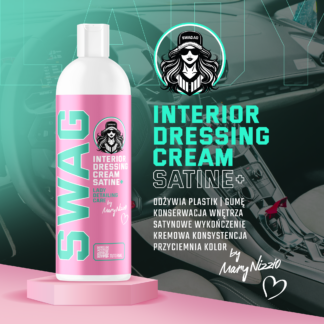
View products →FinishDRESSING CREAM SATINE+
Low satin sheen, no gloss
A cream dressing that leaves a subtle satin finish rather than a wet shine, applied thin and buffed off. For the factory-matte look pick BASIC INTERIOR DRESSING DETAILER MATTE instead, and for water repellency and deeper colour go to HYDROPHOBIC INTERIOR DETAILER+.
- Satin, not showroom shine
- Also in the softer LADY line
- Goes on last, on clean dry trim
View products → Interior detailing, seats and spills
The three interior questions we get asked most, answered the way we actually work in the studio.
How do you detail a car interior?
Work top down, and dry before wet. Empty the car and vacuum everything first, then clean the hard surfaces — pillars, dashboard, console, door cards, switches — with APC on a microfibre or a soft detailing brush. Seats and carpets come next, glass near the end, and dressings absolutely last, once every surface is clean and dry. That order stops you re-soiling the panels you have already finished.
How do you clean fabric car seats yourself at home?
You need less kit than you would think: a vacuum, a textile cleaner, a soft brush and two or three clean microfibres. Work one seat panel at a time — spray, short dwell, agitate, wipe out — and keep the fabric damp rather than wet. Do it on a dry, breezy day and leave the doors open afterwards, because drying time decides whether the seat smells fresh or musty. An all-purpose cleaner is the wrong tool here; use a proper textile cleaner from Upholstery Cleaning.
How do you clean urine from a car seat?
Blot first, never rub. Press a dry microfibre into the fabric so it pulls the liquid back out instead of driving it deeper. Then work a textile cleaner into the area, agitate gently, and lift it out with a clean cloth, repeating until the cloth comes away clean. Dry the seat with the doors open, because trapped damp is what keeps the smell alive — and being honest, once it has soaked into the foam only an extraction machine will fully fix it.
Step by step
- Empty and vacuumTake the mats out, slide the seats forward and back, and vacuum before any liquid touches the interior.
- Get the mix rightAPC RTU works straight from the bottle; the gel concentrate needs diluting to the strength on the label.
- Spray the clothMist the microfibre rather than the dashboard, so nothing runs into switches, vents or screens.
- Dress it lastOnce everything is clean and dry, spread a dressing thinly and buff off the excess — never on the steering wheel or pedals.
Test before you sprayAPC is strong by design, so try it on a hidden area first — inside a door shut or under a seat — and go gently on suede-effect trim, piano black plastic and anything printed. Never spray it directly onto instrument or infotainment displays.
Interior cleaning questions
What people ask before they clean an interior properly for the first time.
What is APC and what can I use it on?
APC stands for all purpose cleaner — one dilutable cleaner that replaces half a shelf of specialist bottles. Diluted sensibly it handles plastics, vinyl, rubber, door cards, mats and boot carpet, and BASIC APC INTERIOR EXTERIOR CLEANER is happy on door shuts and wheel arches too. It is not the right product for leather, delicate suede-effect trim or screens. Follow the label for dilution and test a hidden area first.
RTU or concentrate — which should I buy?
RTU means ready to use: no mixing, no measuring, correct strength every time. The gel concentrate at 1:20 costs far less per litre and lets you go stronger on mats and gentler on a dashboard, but you need a trigger bottle and the discipline to dilute properly. Clean one car occasionally and RTU is the sensible buy. Clean cars most weekends, or for a living, and the concentrate pays for itself quickly.
What is the best car interior cleaner?
It depends on the surface, and anyone who tells you one bottle does everything is selling you something. For hard surfaces, an APC you can dilute — strong on mats, gentle on a dash. For fabric seats and carpets, a dedicated textile cleaner that dries without white residue. For hides, a leather-specific cleaner, never an APC.
How often should I clean my car interior?
A vacuum and a quick wipe-down every few weeks stops it ever becoming a proper job. A full interior detail — seats, carpets, vents, glass, then dressing — two or three times a year is plenty for most cars. Interiors get worse slowly and invisibly, so little and often beats one heroic Sunday.
Will an interior dressing make my dashboard shiny and greasy?
Not if you pick the right one and use it thinly. BASIC INTERIOR DRESSING DETAILER MATTE keeps the factory matte look, INTERIOR DRESSING CREAM SATINE+ adds a low satin sheen, and HYDROPHOBIC INTERIOR DETAILER+ deepens the colour and repels water. Greasy dashboards come from too much product, not the wrong product — spread it thin and buff the excess off. The LADY versions are the same formulas with softer scents.
The rest of the cabin
What to reach for once the plastics and trim are done.
M
Written by
Mike Nizzio · Founder, SWAG Detailing13 years in detailing and a working studio in Poland. Every SWAG product is formulated, tested and filmed in-house before it earns the label.
Showing 13–13 of 13 results