How long paint protection lasts depends far more on the type than the brand: a spray wax is measured in weeks, a hand-applied paste or hybrid wax in months, a hydrophobic spray coating in longer months, and a full ceramic system in years. Those are honest ranges, not promises. Prep, mileage, how the car is washed and whether it lives outside will move any of them a long way in either direction.
In this guideHow long does paint protection last?The four types comparedWhy the figure on the bottle is a best caseWhat actually shortens itTelling when it’s gone — and topping it upWhich should you actually choose?FAQ
How long does paint protection last?
Weeks, months or years — and which of those three you get is decided at the moment you choose the type of product, not afterwards. Everything else is a modifier.
Durability comes down to how the protection attaches itself to the paint. Wax-type products sit on the surface and hold on physically; they’re easy to apply and easy to wash away. Silica-based coatings cure into a harder film that’s chemically bonded, which is why they survive far more washes — and why they’re far less forgiving if the paint wasn’t perfectly clean underneath.
The four types compared
This is how I set expectations with customers before any protection goes on a car. Read the durability column as a realistic range for a car that lives outside in the UK.
| Type | How it goes on | Realistic durability | Best suited to |
|---|---|---|---|
| Spray wax / quick detailer | Spray and wipe after drying, minutes for the whole car | Weeks — often only a handful of washes | Topping up something else; a fast gloss lift before an event |
| Paste or hybrid wax | By hand or machine, panel at a time, cure then buff | Months — a season, roughly, and less through winter | Most daily drivers; the best gloss-per-effort of the four |
| Hydrophobic spray coating (SiO₂) | Diluted onto wet paint at the rinse, or sprayed and buffed | Longer months — outlasts wax, well short of a full coating | People who wash regularly and want protection to be part of it |
| Full ceramic coating system | Corrected, degreased paint, applied in sections, cured indoors | Years — with correct prep and proper maintenance | New or freshly corrected cars, kept long term |
Notice the pattern: effort and durability track each other almost exactly. Nothing in this table gives you years of protection for ten minutes of work, and any product claiming otherwise is quietly assuming a garaged car and a very gentle owner.
Why the figure on the bottle is a best case
Published durability figures describe a perfectly prepared car, washed correctly, in reasonable conditions — treat them as a ceiling, not an average.
A car doing thirty thousand motorway miles a year, parked under a lime tree and washed at a jet wash with a strong alkaline pre-wash every fortnight will not get the number on the label. A garaged weekend car might beat it comfortably. Same bottle, same technique, wildly different outcomes — which is why I give ranges rather than dates.
There’s also a difference between protection disappearing and protection fading. The hydrophobic behaviour usually goes first, and that’s the part you notice, but a thinning layer is still doing something for a while afterwards. It’s a slope, not a cliff edge.
What actually shortens it
Five things decide where in the range you land, and only one of them is the product.
- Prep. The biggest single factor. Protection applied over road film or old wax bonds to that, not to the lacquer, and it lets go early. Decontaminate and degrease first — see the panel wipe guide.
- Where the car sleeps. Outside means UV all summer and salt all winter. A garage can double the life of the same product.
- Mileage and roads. Motorway miles mean constant road film, grit and fallout hitting the front end hardest.
- Wash chemistry. Strong alkaline degreasers and washing-up liquid strip protection quickly. A neutral pH shampoo doesn’t.
- Contact. Brush washes and aggressive drying abrade the layer physically, on top of everything else.
This is why two people can apply the same wax on the same day and get answers months apart. If you want longevity, fix the washing routine before you upgrade the bottle.
Telling when it’s gone — and topping it up
Test the car, don’t count the weeks: water that spreads flat instead of beading, and paint that drags rather than feeling glassy, mean the layer is spent. Check the bonnet and roof first, because horizontal panels always fail first.
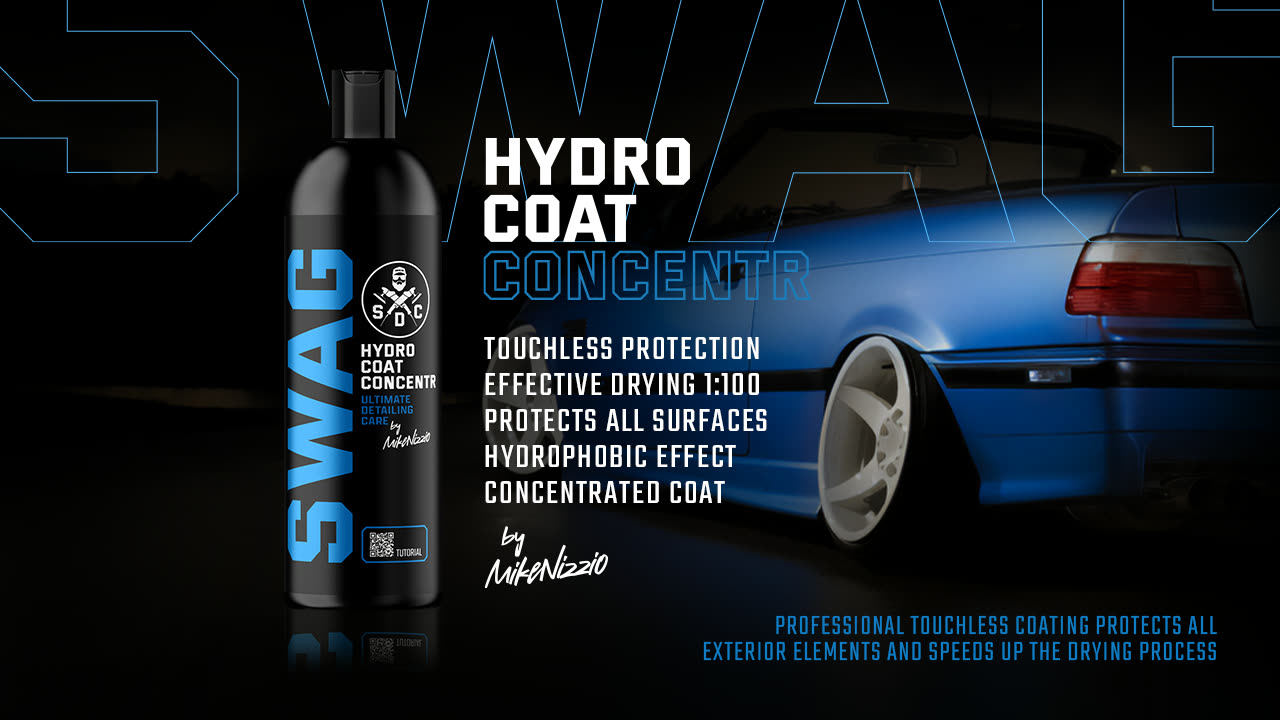
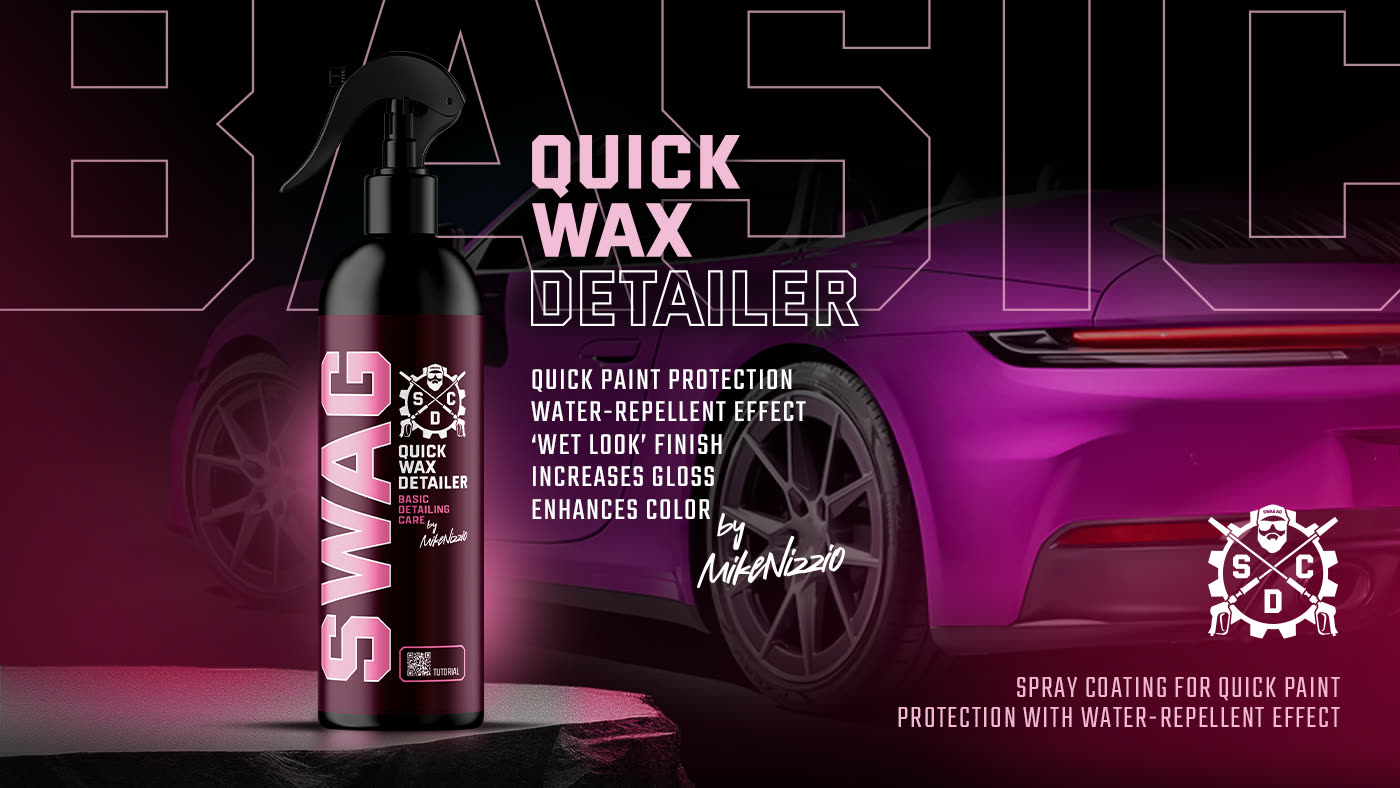
Topping up beats starting again, and it costs minutes. A touchless coating such as HYDRO COAT CONCENTR. V.3 goes on during the final rinse with no contact at all; HYDROPHOBIC QUICK DETAILER+ does the same job by hand between washes. On a coated car, CERAMIC COAT RELOADER UV is the designed refresher.
Wash chemistry helps too. A coating-safe neutral shampoo, or a dedicated CERAMIC COAT SHAMPOO CONCENTRATE, cleans without stripping what you’re trying to keep.
Which should you actually choose?
Match the durability to how long you’re keeping the car and how much of an afternoon you’re willing to spend.
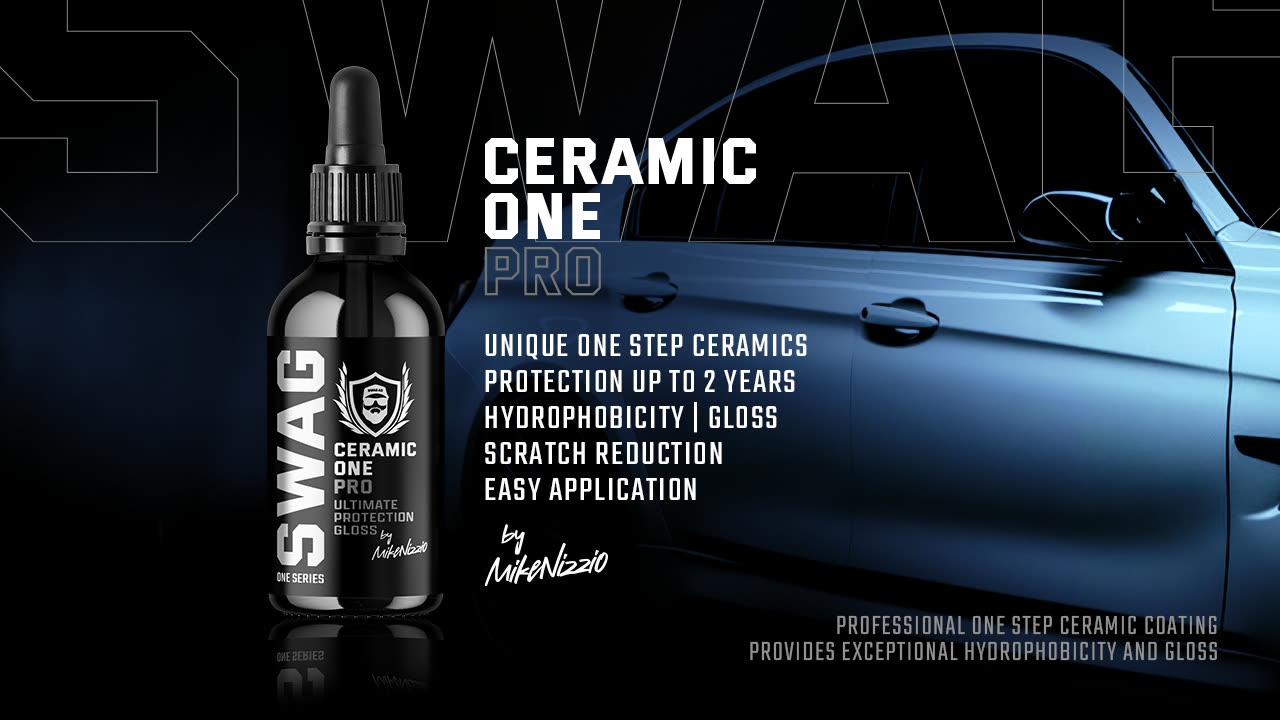
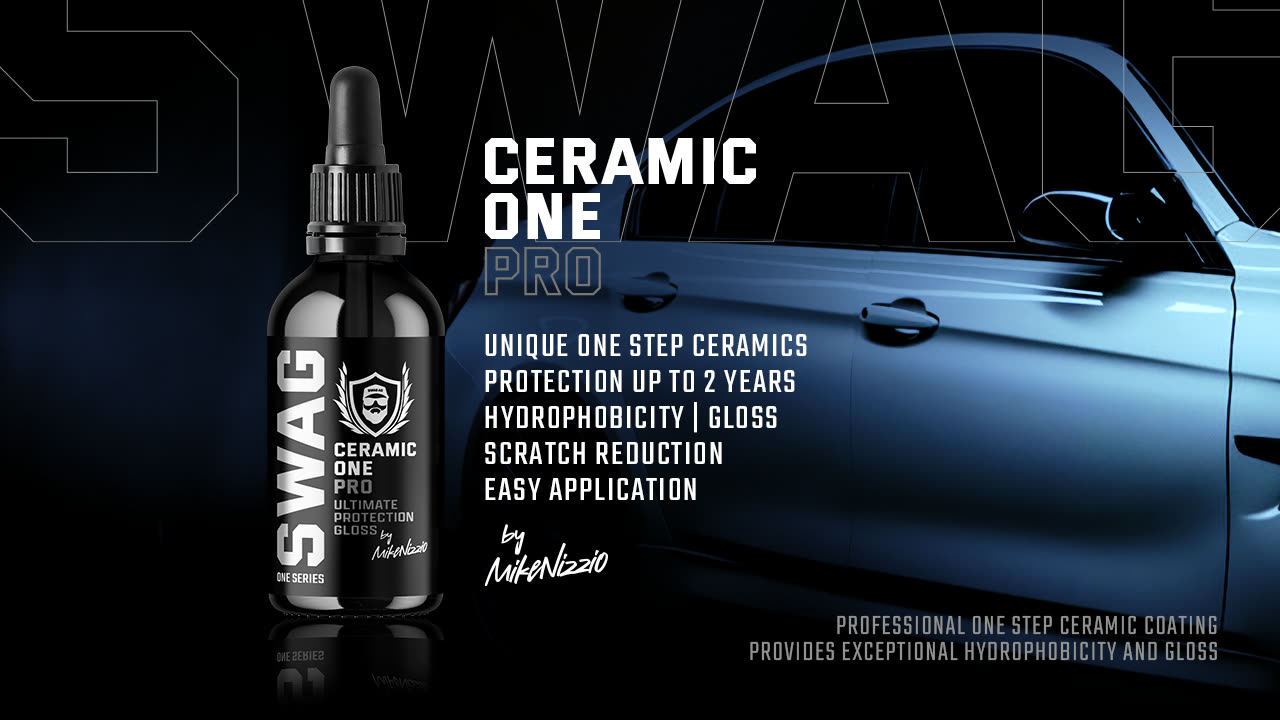
Keeping it a year or two and washing it fortnightly? A hand-applied wax like CERAMIC WAX COAT GEL UV, kept alive with a rinse-on topper, is the sweet spot. Keeping it long term, and either buying new or having just corrected the paint? That’s the case where a full system like CERAMIC ONE genuinely pays back — I’ve made the fuller argument in is a ceramic coating worth it.
Here’s a proper ceramic application, so you can judge the work involved before committing to it:
Whichever you pick, the application decides the outcome — how to wax a car properly covers the technique, and wax vs sealant vs ceramic compares the types on more than durability alone.
Frequently asked questions
How often should you wax your car?
Judge it by behaviour, not by the calendar. When water stops beading and the paint no longer feels slick after a wash, it’s time. For most cars kept outside in the UK that lands a couple of times a year, with toppers in between.
Does a ceramic coating really last years?
It can, but only with the conditions attached: properly prepared paint, correct application and cure, and ongoing maintenance with coating-safe products. Rushed prep is the single most common reason a coating fails early.
Does winter destroy paint protection faster?
Yes — road salt, grit and more frequent washing all shorten the life of any layer. Go into the season with fresh protection and top it up through it; there’s more on that in my winter car care guide.
Can you layer wax on top of a coating?
You can, and a compatible topper is the intended way to refresh one. Just be aware you’re then maintaining the topper, not the coating — and never apply anything over a coating that hasn’t fully cured.
Do automatic car washes remove protection?
Brush washes wear it away mechanically and the strong detergents used strip it chemically, so yes, on both counts. If you’ve paid for protection, a careful two-bucket hand wash protects the investment.
Waxes and toppers live in Paint Maintenance, and the long-life systems in SWAG Ceramics.