Why wax a car? Because a wax is a sacrificial layer — it sits on top of your clear coat and takes the UV, the acid rain, the bird lime and the road film instead of the paint underneath. The gloss is a bonus. The real return is that dirt bonds less, washing gets easier and safer, and the surface facing a fairly hostile British climate becomes one you can renew in an afternoon rather than one you can only renew with a respray.
In this guideWhat your clear coat is up againstA sacrificial layer: what protection actually doesWhy a waxed car is easier to washWhat waxing will not doHow to tell it’s still workingSo why wax a car — is it worth it?FAQ
What your clear coat is up against
Your paint isn’t wearing out from driving — it’s wearing out from everything that lands on it while the car is parked. Once you see the list written down, waxing stops looking like vanity.
- UV. The slow one. Sunlight degrades the resins in the lacquer, which is what eventually turns reds pink and makes older clear coat go chalky.
- Acid rain and industrial fallout. Rain picks up pollutants, lands on the panel, then evaporates and leaves the acidic part behind, concentrated.
- Bird lime and tree sap. Genuinely aggressive, and fast. Left on hot paint in summer, bird mess can etch a permanent mark into lacquer in a day or two.
- Road film and iron fallout. The grey tide line up your doors, plus tiny hot metal particles from brakes that embed and rust in place. The story on those is in iron fallout explained.
- Winter salt. A UK speciality — corrosive, and it sits in every seam and shut line for months.
A sacrificial layer: what protection actually does
A wax doesn’t make paint tougher. It puts a thin, replaceable film in the firing line so the contamination attacks that instead of the lacquer. Sacrificial is the right word, and it’s not a marketing softener — the layer is meant to be consumed.
Three things happen once that film is there. It’s the first surface bird lime and acid rain meet, so mild etching consumes protection rather than clear coat. It reduces surface energy, so water beads or sheets off instead of lying in flat puddles and drying into mineral spots. And it fills the microscopic texture of the paint, which is what gives you the wet, deep look on dark colours.
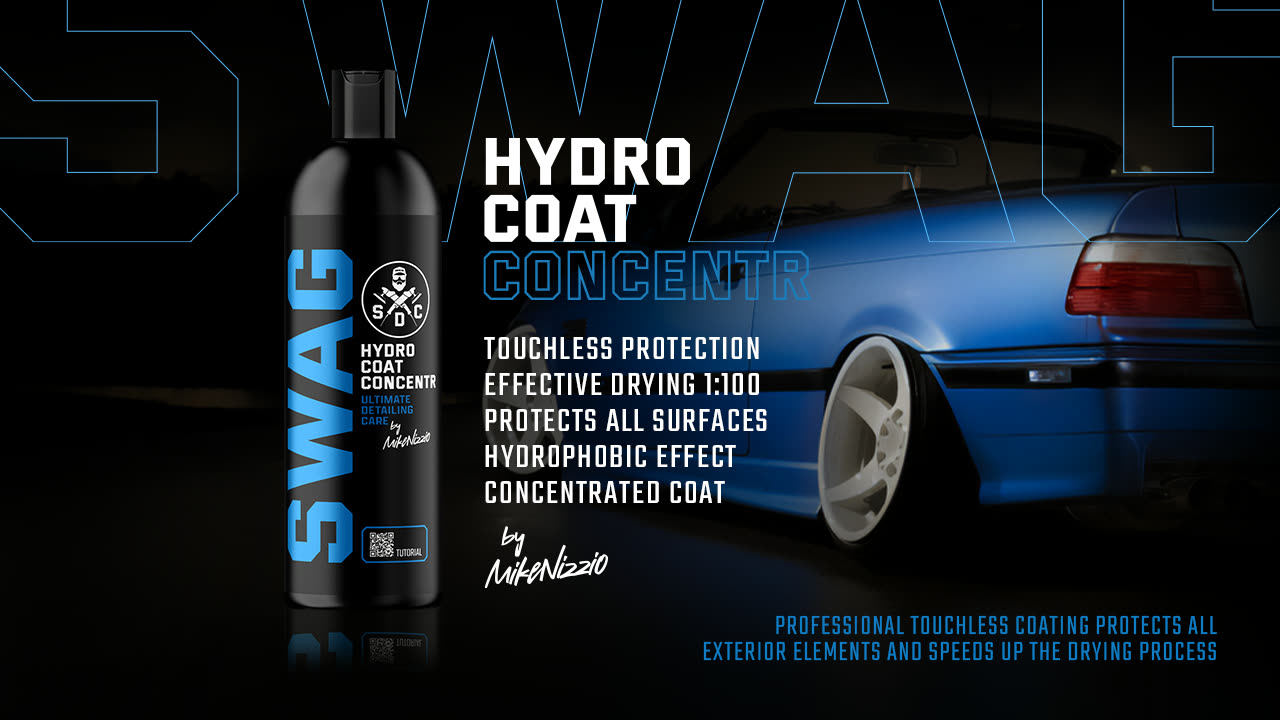
The trade matters here. A wax layer takes an afternoon and is designed to wear away; you simply put another one on. Clear coat is finite and every polish spends some of it permanently, which is exactly why I argue for polishing rarely and protecting often. A hand-applied product such as CERAMIC WAX COAT GEL UV is the version of that trade I’d put on my own car.
Why a waxed car is easier — and safer — to wash
This is the benefit people underrate, and after thirteen years it’s the one I’d sell hardest: protected paint gets dirty more slowly and lets go of dirt more easily.
On bare, tired lacquer, grime keys into the surface and you end up leaning on the wash mitt to shift it. On a slick, protected panel most of it releases in the pre-wash and rinse. Less pressure, fewer passes, fewer particles dragged across the paint — and dragged particles are precisely what swirl marks are made of.
So protection quietly prevents the damage that would otherwise send you back to a polisher. A well-protected car also dries faster, because water leaves in sheets rather than sitting in droplets that dry into spots. Here’s that behaviour in the metal:
What waxing will not do
Wax is maintenance, not armour. It will not stop a stone chip, and any product sold to you as if it will is being sold dishonestly. A layer measured in fractions of a micron cannot absorb a piece of grit arriving at motorway speed — only paint protection film has the thickness to do that.
| Protection genuinely helps with | Protection does nothing for |
|---|---|
| UV exposure and slow fading | Stone chips and kerbed bumpers |
| Bird lime, sap and acid rain etching | Existing swirls and scratches |
| Road film and salt clinging to panels | Trolley dents and car park dings |
| Water spotting and drying time | Bad wash technique — nothing saves you there |
Nor does wax fix defects that are already in the paint. It can flatter them briefly — oils and gloss make swirls harder to see for a week or two — but the marks are still there underneath. Correction is a separate, abrasive job.
How to tell it’s still working
Watch the water and feel the paint — those two tests tell you more than any date in a diary.
Tight beads that run off when you tilt a panel mean the layer is alive. Water that spreads out and clings in flat patches means it’s thinning. On a horizontal surface — bonnet, roof, boot — that happens first, because that’s where the sun and rain do the most work.
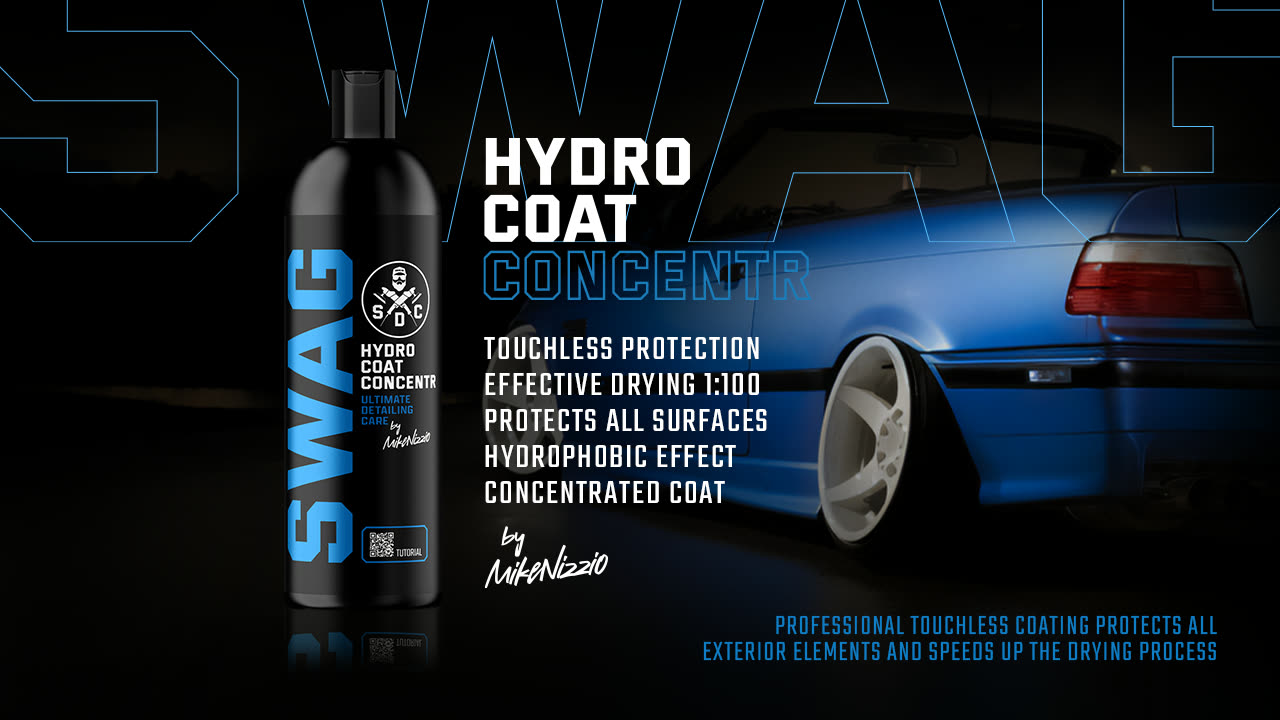
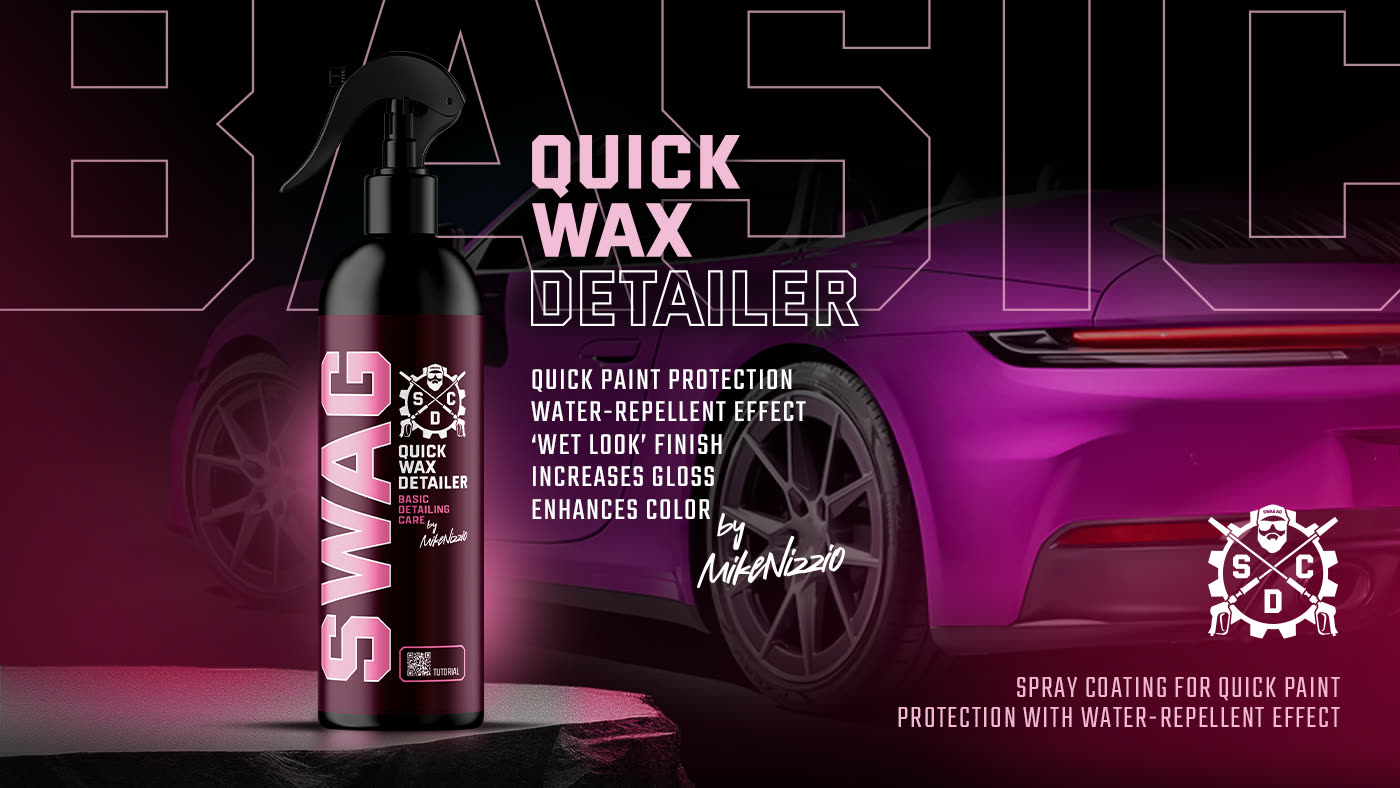
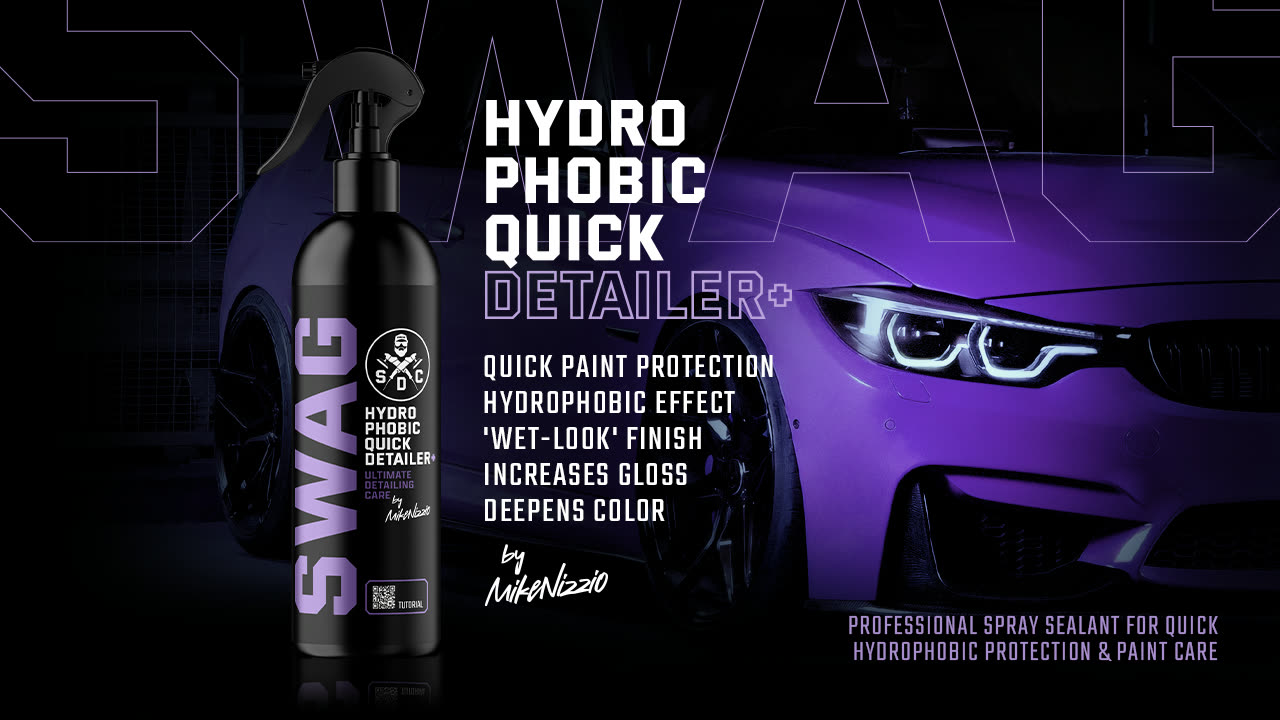
The touch test backs it up. After a wash, dry paint that still feels glassy under your fingertips is protected; paint that drags is not. When it starts to fade, a topper like HYDROPHOBIC QUICK DETAILER+ revives it in minutes, and a rinse-on HYDRO COAT CONCENTR. V.3 keeps it topped up every wash without touching the paint at all. Realistic lifespans for each type are in how long each type of paint protection lasts.
So why wax a car — is it worth the afternoon?
Yes — but for the boring reasons, not the shiny ones. Waxing is worth it because it slows contamination, protects resale condition, cuts your washing time and keeps you away from a polishing machine. The gloss is real, and it’s still the least valuable thing on that list.
It matters most on a car that lives outside, sits under trees, does motorway miles or faces a salted British winter. It matters least on a garaged weekend car that barely sees rain — although those owners tend to be the ones who wax most.
If you’re convinced and want the method, I’ve written the full routine in how to wax a car properly. If you’re still weighing up which type of protection to buy, wax vs sealant vs ceramic is the honest comparison.
Frequently asked questions
Is waxing a car really necessary?
Necessary to keep the car running, no. Necessary to keep the paint in good condition for years, effectively yes. Unprotected lacquer takes UV, acid rain and road film directly, and that damage is cumulative and expensive to undo.
Does wax protect against scratches?
Not directly — it’s far too thin to stop anything mechanical. What it does do is make the surface slick, so dirt releases more easily during a wash and you drag fewer particles across the paint. That prevents swirls indirectly, which is a real effect but a different one.
Do new cars need waxing?
Yes, and a new car is the best possible time. The paint has no defects to correct, so you’re locking in a perfect surface rather than trying to rescue one. Factory paint has no lasting protection on it from the dealer.
Can wax remove or hide swirl marks?
Hide them for a while, yes; remove them, no. Gloss and oils in a wax fill and mask fine marks temporarily, and they reappear as the layer wears. Removing swirls means abrasive correction — that’s a different job with a different tool.
Is it worth waxing an old car?
Often it’s worth more than on a new one. Older lacquer is thinner and more porous, so it soaks up contamination faster and has less margin left for correction. Protection is the cheapest way to stop it getting worse.
The waxes, spray coatings and toppers I’ve referred to here all sit in our Paint Maintenance range.