Posted on

APC Dilution Ratios: How to Use an All Purpose Cleaner

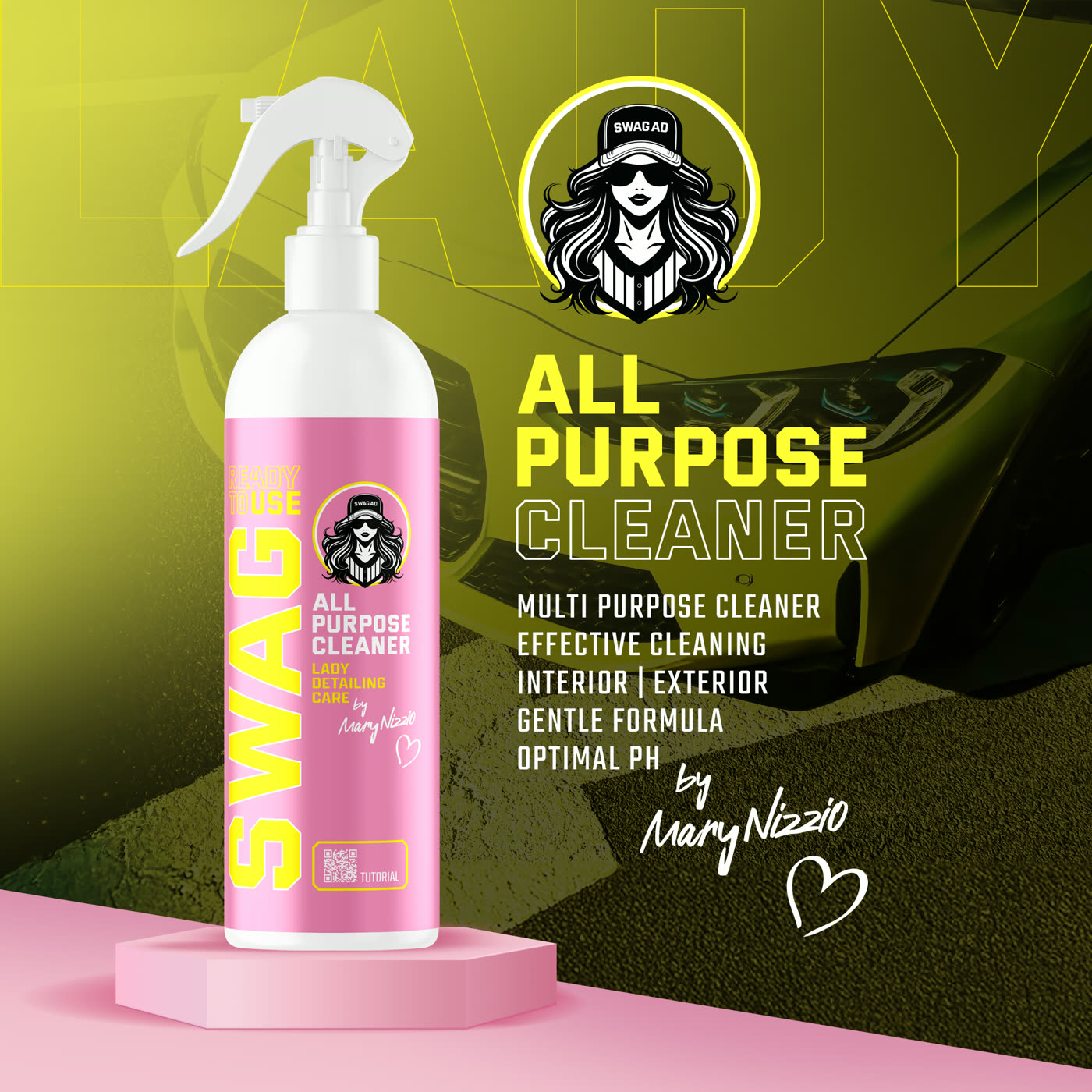
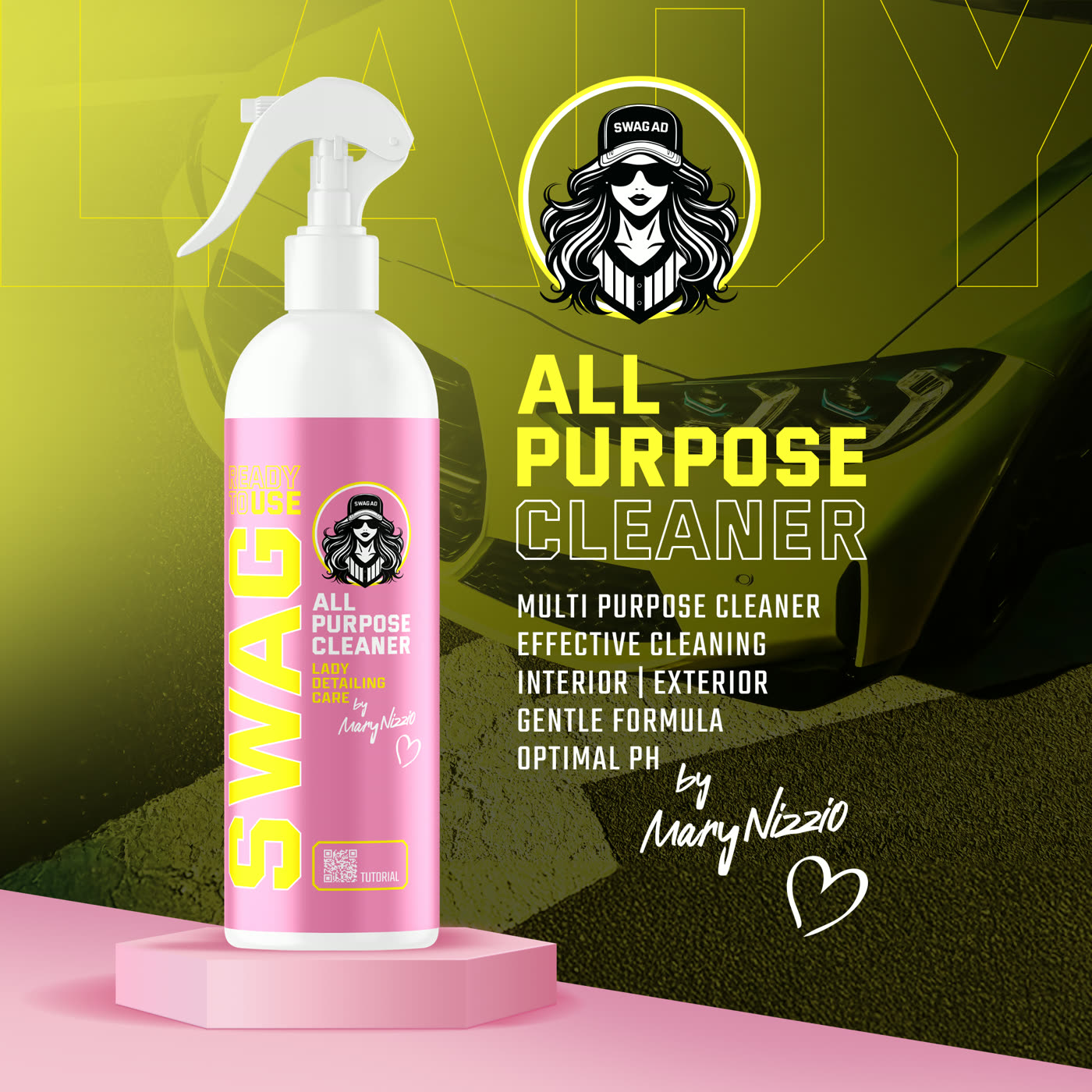
An all purpose cleaner (APC) is the hardest-working product in my studio, and the dilution ratio is what decides whether it cleans brilliantly or causes problems. For everyday maintenance I mix my concentrate at 1:33 — that’s 30 ml per litre of water. For heavily soiled surfaces I go stronger, anywhere from 1:10 to 1:20. Get those two numbers right and one bottle will handle most of the cleaning jobs on a car.

Continue reading APC Dilution Ratios: How to Use an All Purpose Cleaner

Posted on

What Is a Quick Detailer and How Do You Use It?

A quick detailer is a light spray-on product that refreshes the look of your paintwork between washes — adding gloss, slickness and a short-term protective layer in minutes. It is not a wax, not a polish and not a substitute for washing the car. Used correctly, a quick detailer is the product I reach for more often than any other in daily paint care, and in this guide I’ll show you exactly how and when to use one.

Continue reading What Is a Quick Detailer and How Do You Use It?

Posted on

Tyre Dressing: How to Get Deep, Black Tyres That Last

Tyre dressing is the fastest way to make a whole car look finished — clean the rubber properly, work a gel dressing into it, give it 15 minutes to penetrate, and the tyres go deep satin black for weeks. A gleaming car sitting on grey, browned tyres looks half-done; it’s the detail people notice without knowing why. After thirteen years of prepping cars in my studio, here is everything I know about tyre dressing: why tyres fade, gel versus liquid, and the exact application routine I use.

Continue reading Tyre Dressing: How to Get Deep, Black Tyres That Last

Posted on

How to Clean Alloy Wheels Without Damaging Them

The safe way to clean alloy wheels is on a cool surface: pre-rinse, spray on a pH-balanced wheel cleaner, let it dwell for 10 minutes, agitate with a soft brush, then rinse thoroughly and dry. That’s the full recipe for how to clean alloy wheels without damaging them — and every word of it matters, because wheels are where I see the most paint damage done by well-meaning owners. Let me show you my process, and the one product mistake that genuinely ruins alloys.

Continue reading How to Clean Alloy Wheels Without Damaging Them

Posted on

How to Clean Car Windows Without Streaks

If you want to know how to clean car windows without streaks, the answer is the two-cloth method: one microfibre carries the glass cleaner, a second dry microfibre buffs the glass to a perfect finish. Pair that technique with a proper automotive glass cleaner and work in the shade, and streaks simply stop happening. In my studio, glass is the last thing we touch on every car — and the first thing the customer notices.

Continue reading How to Clean Car Windows Without Streaks

Posted on

What Should Be in a Car Cleaning Kit?

A proper car cleaning kit covers five stages: pre-wash, contact wash, wheels, interior and protection — plus the microfibres and brushes that make them work. Random bottles collected from petrol stations don’t make a kit; products chosen to work together in a sequence do. Below I’ll break down what belongs in a complete car cleaning kit stage by stage, and show which ready-made SWAG set covers each one, so you can buy once instead of guessing ten times.

Continue reading What Should Be in a Car Cleaning Kit?

Posted on

How to Use Snow Foam — and Is It Worth It?

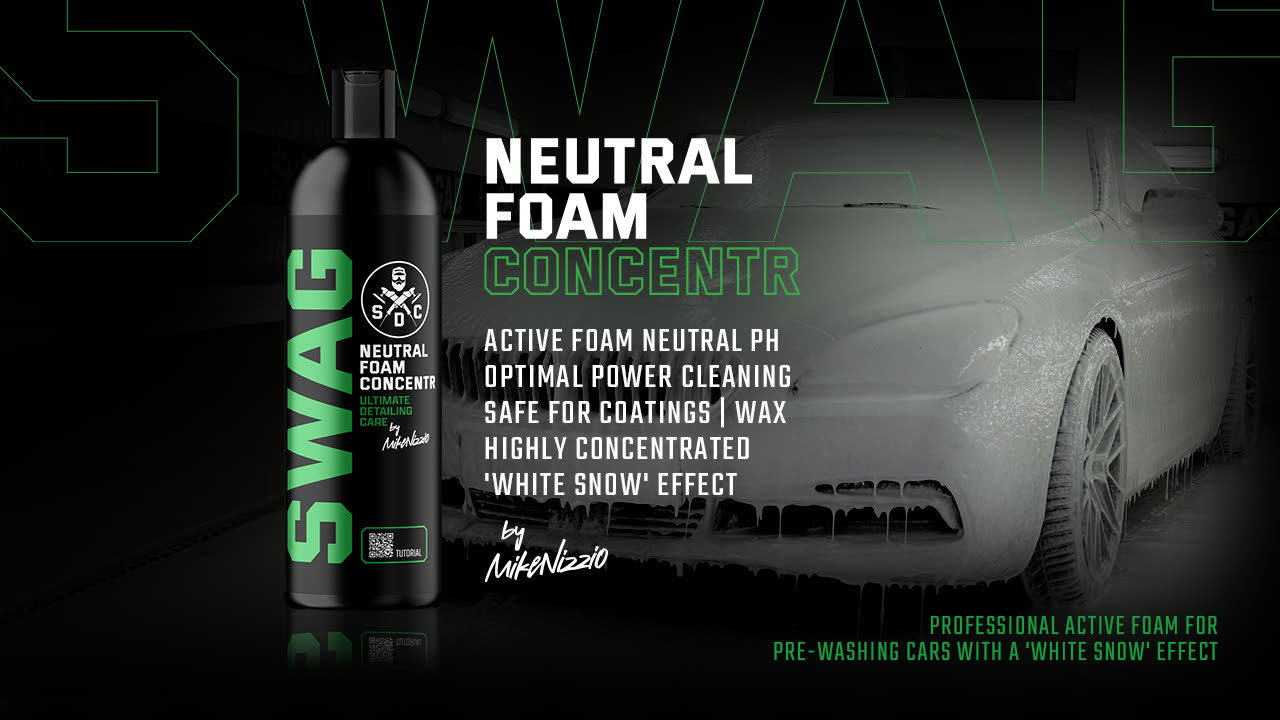
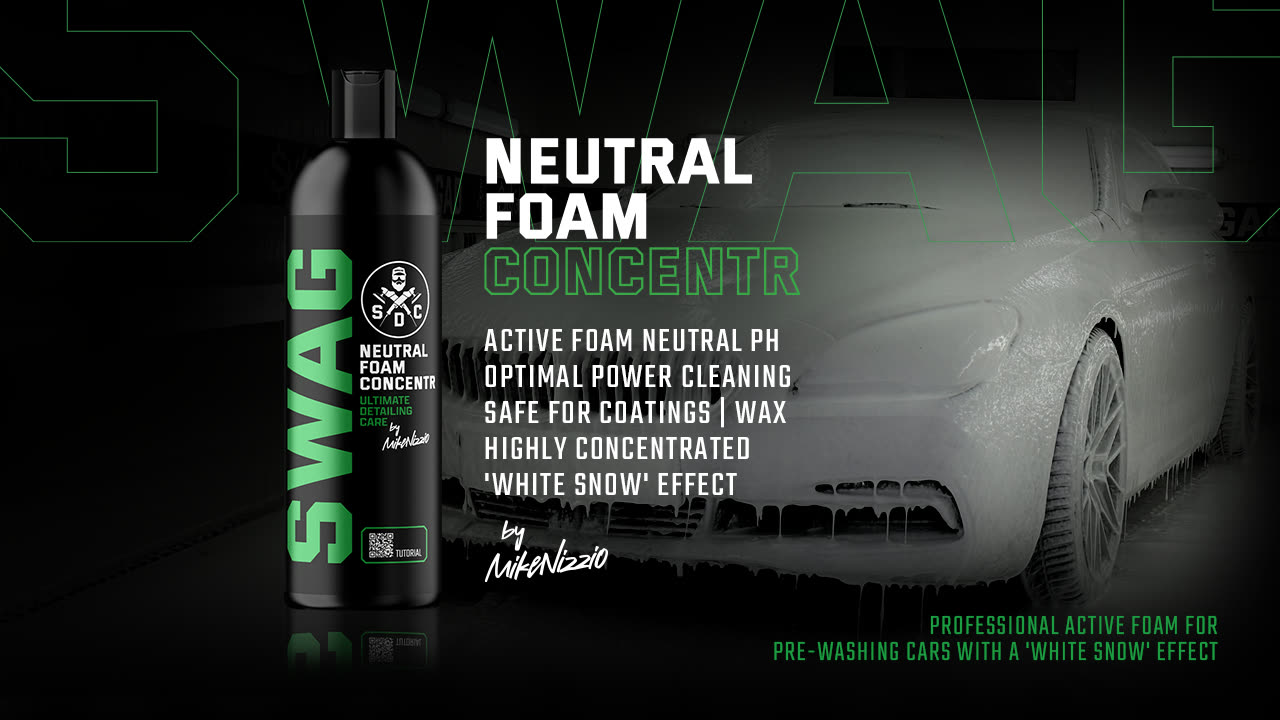
How to use snow foam in one sentence: apply it to a cool, pre-rinsed car, let it dwell for 4 to 10 minutes, then rinse from the top down — before anything touches the paint. Snow foam is a pre-wash: its job is to separate loose dirt, sand and road film from the paint so your wash mitt is not grinding grit into the lacquer. Done right, it is the single biggest scratch-prevention step in a wash.

Continue reading How to Use Snow Foam — and Is It Worth It?

Posted on

How to Wash a Car by Hand: The Two-Bucket Method

The safest way to learn how to wash a car is the two-bucket method: one bucket of shampoo solution, one of clean rinse water, a microfibre mitt, and a strict top-to-bottom order of work. Washing by hand is not just about looks — done properly it minimises the risk of scratching and extends the life of your paint’s protective layers. Done badly, it is where most of a car’s swirl marks come from. Here is exactly how I do it in the studio.

Continue reading How to Wash a Car by Hand: The Two-Bucket Method

Posted on

Car Detailing for Beginners: Your First Full Routine

Car detailing for beginners comes down to one thing: doing simple steps in the right order with the right product for each stage. That is the entire secret. Every detail I do in my studio — decontamination, washing, polishing, paint protection — follows a fixed sequence, and once you learn it, professional results at home stop being a marketing phrase and become a Saturday morning. This is the routine I would give my younger self.

Continue reading Car Detailing for Beginners: Your First Full Routine

Posted on

What Is Car Detailing? A Complete Beginner’s Guide

Car detailing is the deep cleaning, restoration and protection of a car — inside and out — taken far beyond what a normal wash can do. A proper detail works through every element of the vehicle: paintwork, wheels, glass, interior, even the awkward gaps most people never touch. After 13 years running my own studio, my honest definition is simpler: detailing is caring about the details everyone else ignores.

Continue reading What Is Car Detailing? A Complete Beginner’s Guide