There is no single price for car detailing, and anyone who quotes you one without seeing the car is guessing. Detailing is sold by the hour even when it is priced by the job, so the real question is not “how much does it cost” but “how many hours of skilled work does my car actually need”. A tidy three-year-old hatchback and a neglected ten-year-old estate can carry the same badge and need wildly different amounts of work. This guide explains what you are paying for, why two quotes for the same car can differ by a factor of five, and how to work out whether the job in front of you is worth paying for or worth doing yourself.
In this guideWhy quotes vary so muchWhat you are actually paying forThe four price tiers, explainedMachine correction is the expensive bitHow to read a quote properlyWhen paying is worth itWhen doing it yourself makes more senseFAQ
Why two quotes for the same car can differ by five times
Because “detailing” is not a defined service. It is an umbrella word covering everything from a careful wash to a multi-day paint correction, and different businesses put very different things under it.
One unit might use the word for a thorough wash, a wheel clean and an interior vacuum. Another uses it only for machine polishing and protection. Both are being honest — they are just selling different work. Until you know which one you are being quoted for, comparing the numbers is meaningless.
On top of that sit the genuine variables: how big the car is, how bad the condition is, whether the paint is soft or hard, whether the seats are leather or fabric, whether there is pet hair, whether anyone has ever spilled anything, and how much of the work has to be undone before the actual job can start. A car that has been through automatic washes for a decade needs correcting before it can be protected, and that correction is where the hours go.
What you are actually paying for
Overwhelmingly: time, skill and risk — not product. This surprises people, because the products are the visible part.
Chemicals are a small fraction of any detailing invoice. The bulk is somebody’s hours, the years it took them to be able to work that fast without damaging anything, the machines and pads, the insurance, and the premises. When a detailer spends a day on your bonnet, roof and wings, you are buying their judgement about how much clear coat to remove — a judgement that cannot be undone if it goes wrong.
That is also why the cheapest quote is not automatically the best value. A fast, cheap machine polish done badly leaves holograms and thinner paint, and the fix costs more than the original job.
- Labour — the largest line by a distance
- Skill and liability — machine work on someone else’s paint carries real risk
- Consumables — pads, cloths, chemicals; genuinely minor
- Overheads — unit rent, heating, lighting, insurance
The four tiers, and roughly where the hours go
Rather than quote numbers that vary by region and by year, it is more useful to understand the tiers, because the hours tell you the price.
| Tier | What it involves | Rough time |
|---|---|---|
| Maintenance wash | Safe contact wash, wheels, dry, glass, quick protection top-up | A couple of hours |
| Full valet | The above plus a proper interior: vacuum, fabrics, plastics, glass | Half a day |
| Enhancement detail | Decontamination and a single-stage machine polish, then protection | A full day or more |
| Full correction | Multi-stage machine correction to remove the majority of defects, then a coating | Several days |
Notice how the jump from valet to enhancement is the big one. Everything up to a full valet is cleaning. Everything past it is refinishing, and refinishing is slow, skilled and irreversible.
Why machine correction dominates the bill
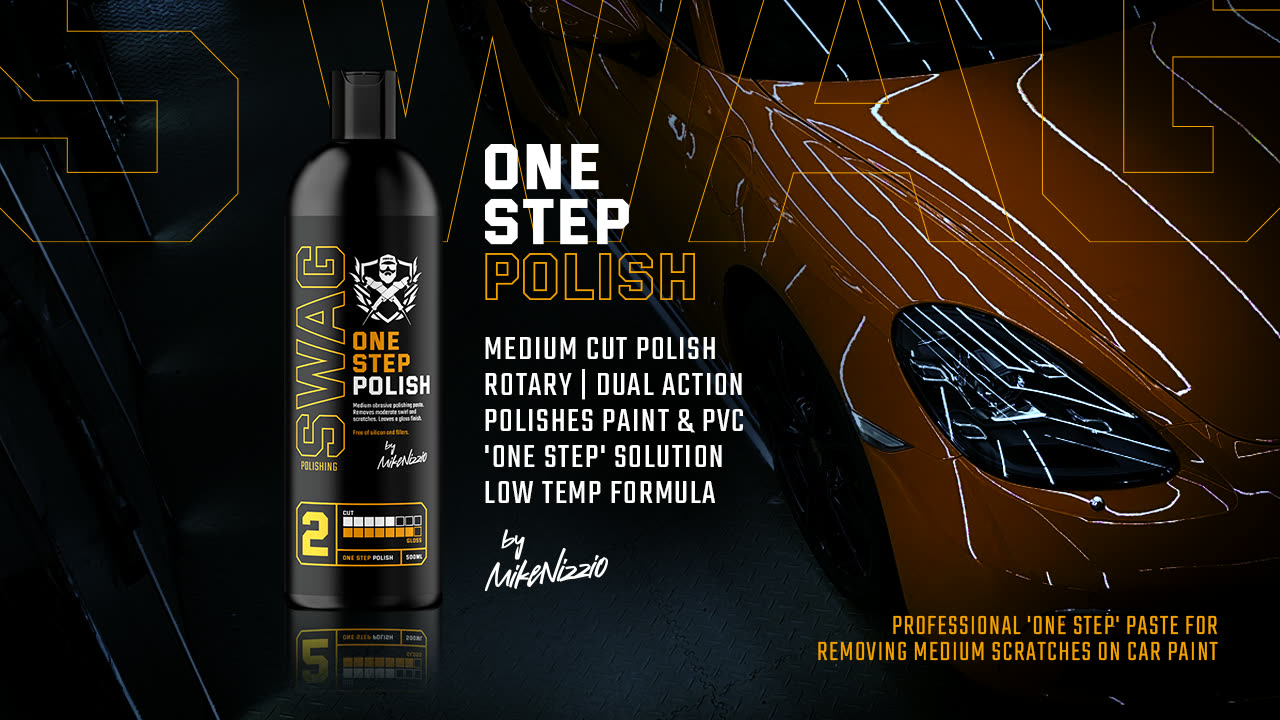
Because it is done panel by panel, section by section, and it cannot be rushed. A detailer works a small area at a time, checks it under inspection light, and moves on. Multiply that across a whole car and you have days, not hours.
There is also a hard ceiling nobody can move: clear coat is finite. A good detailer will sometimes tell you that chasing the last ten per cent of defects is not worth the paint it would cost, and that honesty is part of what you are paying for. If someone promises to remove every mark on a well-used car in an afternoon, be sceptical.
If you want to understand the process before you buy it, our guides on how to polish a car and choosing a polishing compound cover the same decisions a detailer is making.
How to read a quote so you can compare like with like
Ask these before anything else. The answers make two quotes comparable in about a minute.
- Is machine polishing included, and how many stages? This single question explains most of the price gap.
- What protection is applied, and roughly how long is it expected to last? A wax and a coating are very different commitments.
- Is decontamination included? Tar, fallout and clay work is a separate stage — see iron fallout explained.
- What is specifically excluded? Engine bay, wheels off, headlining, pet hair and heavy stain removal are common extras.
- How long will they have the car? Time is the honest proxy for price.
When paying a professional is clearly worth it
I sell products for a living and I will still tell you plainly: some jobs are worth paying for.
- Full paint correction. High risk, high skill, expensive to get wrong.
- Preparing a car for sale where the return is measurable and the deadline is real.
- A neglected car you have just bought — one professional reset, then maintain it yourself.
- Anything involving removing trim or wheels if you are not confident with tools.
When it makes more sense to do it yourself
Everything that repeats. Washing, interior upkeep, protection top-ups and glass all recur, and recurring costs are exactly where DIY wins.
The economics are simple. A service is a cost every time. A shelf of products is a cost once and then covers many washes across many months, and concentrates stretch that further still — the maths is in our guide to concentrates versus ready-to-use. Beyond the money, a car you maintain yourself never gets bad enough to need correcting, which is how you avoid the expensive tier altogether.
If you are starting from nothing, the car cleaning kit guide lists what actually earns its shelf space, and detailing for beginners is the honest starting point.
FAQ
Why can’t anyone give me a price over the phone?
Because condition drives the hours and condition cannot be assessed by description. Most people underestimate how dirty their car is — not out of dishonesty, but because you stop seeing a car you look at every day. A photo or a quick look in person changes the quote substantially.
Is a ceramic coating worth paying a professional for?
The coating itself is quick to apply. The preparation underneath it is what takes days, and the preparation is what determines the result — a coating locks in whatever is beneath it, flaws included. So you are really paying for the correction, not the coating. Whether that is worth it is covered in is a ceramic coating worth it.
Does a more expensive detail last longer?
Not automatically. Durability comes from the protection used and how the car is washed afterwards. A well-prepared car with sensible protection that is washed properly will outlast an expensively coated car that goes back through harsh washes every fortnight.
Can I get most of the benefit for a fraction of the cost?
For appearance and upkeep, yes — the washing, decontamination, interior and protection stages are all learnable and the products are the same ones professionals use. What you cannot shortcut is machine correction, which needs practice on paint you can afford to learn on.
How often would I need to pay for detailing if I do nothing myself?
More often than you would like, and the gaps get shorter as the paint gets worse. Maintenance is what keeps a car out of the correction tier. That is the real saving — not the price of any single visit.
If the maths points towards doing it yourself, the starter kits live in Sets and the individual wash chemistry sits in Exterior Washing.