Showing 1–12 of 17 results
HEAVY CUT, ONE STEP or PERFECT FINISH?
Three compounds, one decision: pick by how bad the paint actually is, or take the whole car polish kit as the PRO POLISHING SET.
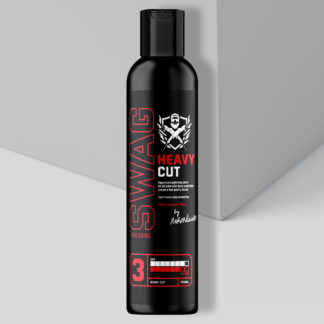
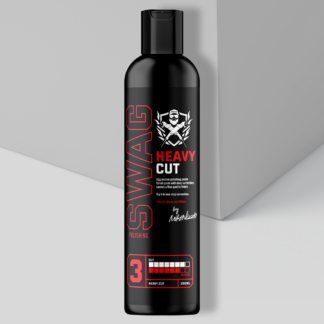
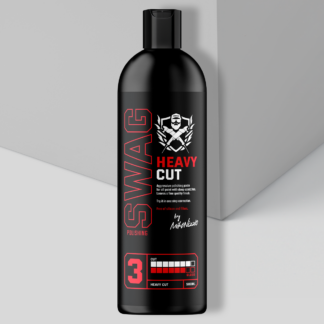
HeaviestHEAVY CUT
Deep swirls and sanding marks
The compound to reach for when the paint is genuinely damaged: deep swirls, wash marks, sanding marks after bodywork. It cuts hard and fast, and on soft or dark paint it will leave some haze, so plan a refining pass afterwards.
- Removes deep swirls and scratches
- Wool or firm cutting pads
- Follow with a finishing polish
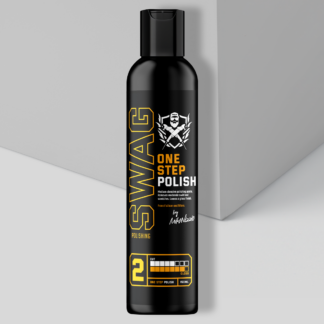
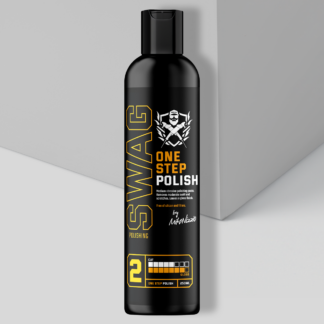
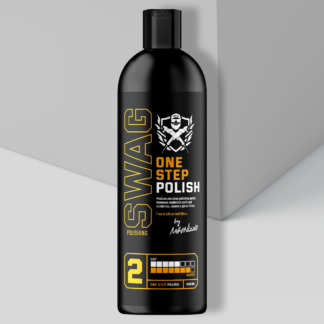
View products →EverydayONE STEP POLISH
Most cars, one-pass jobs
The one most cars actually need. It carries enough cut to clear typical swirls and light scratches, then breaks down to a clean, glossy finish in the same pass.
- Cuts and finishes in one pass
- Best all-rounder for most cars
- Medium foam pad, DA or rotary
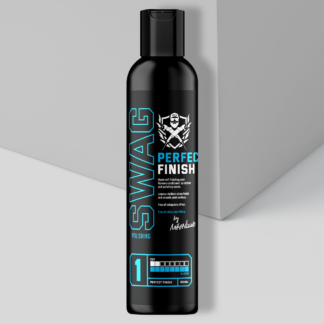
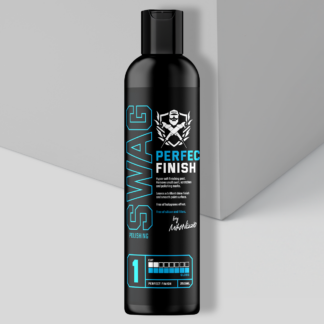
View products →FinishingPERFECT FINISH
Black paint and final gloss
A refining polish for the last stage, not a defect remover. On a soft pad at low speed it clears haze and holograms and brings dark paint up to a proper wet gloss.
- Removes haze and fine holograms
- Soft finishing pad, low speed
- Made for dark, glossy paint
View products → Machine Polishing, Black Paint and Chrome
The three things people ask us most before they pick up a polisher.
How to machine polish a car
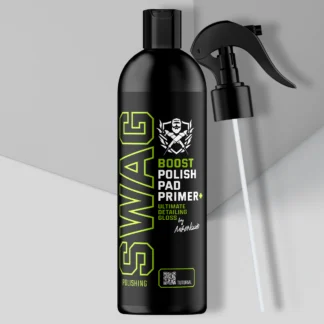
Start with clean, decontaminated paint, because polishing over dirt just grinds it in. Prime the pad with BOOST POLISH PAD PRIMER+, add three or four pea-sized drops of compound and spread them on low speed. Work a section around 40 x 40 cm with slow, overlapping passes and light pressure, then wipe it down and inspect under a torch. Once one section looks right, repeat that same recipe across the car.
What is the best polish for black cars?
Black paint hides nothing, so swirls and holograms show in almost every light. The reliable answer is two stages: ONE STEP POLISH, or HEAVY CUT if defects are deep, then PERFECT FINISH on a soft pad to refine the surface. Keep speed and pressure down on that last pass, because heat and a tired pad are what leave haze on dark paint. Clean the pad often with POLISHING PAD CLEANER; a clogged pad mars black paint faster than any compound will.
How to polish chrome on a car
Chrome, polished alloy and stainless trim are bare metal, not clear coat, so paint compounds are the wrong tool. Use a dedicated metal polish on a microfibre applicator or a small soft pad, and work in small sections. Expect the cloth to turn black; that is oxidised metal coming off. Finish with a wax or sealant, because bare metal starts oxidising again straight away.
Step by step
- Wash and clayWash, decontaminate and clay first, because anything left on the surface gets dragged under the pad.
- Do a test spotPolish one small section with your mildest pad and compound, and only step up if it does not clear.
- Panel by panelWork in 40 x 40 cm sections with slow overlapping passes, checking each one under a torch before moving on.
- Degrease & protectWipe each panel with a paint degreaser to see the true finish, then seal it with wax, sealant or a coating.
Polishing removes paintEvery polish takes a few microns of clear coat with it, so this is a correction job, not a monthly ritual. Do it properly once, then protect the paint and keep it that way with sensible washing.
Car Polish Questions
Short answers to what customers ask before their first machine polish.
How often should you polish a car?
For most cars once a year is plenty, and many only need it every two or three years. Machine polishing removes clear coat each time, so it is a correction job, not routine maintenance. If the paint simply looks flat, top up the wax or sealant instead of cutting again. Protection and a careful wash routine are what stop you needing to polish often.
What is the best polish for black cars?
Black paint needs a finishing stage, and that is the real difference. Remove defects with ONE STEP POLISH, or HEAVY CUT if they are deep, then refine with PERFECT FINISH on a soft pad at lower speed. Pads matter as much as the compound, so clean them with POLISHING PAD CLEANER between panels to stop the pad glazing and marring the paint.
Which car polish is best for my paint?
Start with the mildest thing that works. Do a test spot with ONE STEP POLISH on a medium foam pad; on most cars that clears the majority of swirls in one pass. Only move up to HEAVY CUT if defects remain, and follow it with PERFECT FINISH. Hard paint takes more cut and softer paint needs less, so the test spot decides it, not the label.
How do you polish and wax a car?
Polish first, wax after, always. Polishing removes a thin layer, so wax applied beforehand simply gets cut away. After correction, wipe the panels with a paint degreaser to strip polishing oils, then apply wax, sealant or coating to bare, clean paint. That order is what makes the gloss last.
Can a beginner machine polish a car?
Yes, with a dual-action polisher. A DA is far more forgiving than a rotary and much harder to do damage with. Start on a flat panel such as a bonnet, keep the pad flat, use light pressure and stay off sharp edges and body lines where the clear coat is thinnest. Do a test spot, check it under a torch, then work round the car.
Where to go next
The rest of the polishing shelf, from compounds to glass and metal.
M
Written by
Mike Nizzio · Founder, SWAG Detailing13 years in detailing and a working studio in Poland. Every SWAG product is formulated, tested and filmed in-house before it earns the label.
Showing 1–12 of 17 results