Showing 1–12 of 13 results
Neutral, alkaline or DEIRON?
Match the chemistry to the wheel, not to the label. The mildest cleaner that still gets the job done is always the right one.
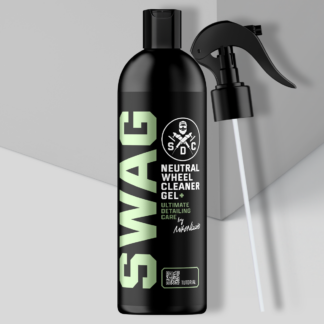
SafestNEUTRAL WHEEL CLEANER GEL+
Coated or sealed rims
A pH neutral gel for wheels that are washed regularly, ceramic coated or wearing a fresh sealant. It clings to the face instead of running straight off, and it will not touch lacquer, paint or a coating.
- Safe on coated and painted rims
- Gel clings instead of running off
- The weekly-wash choice
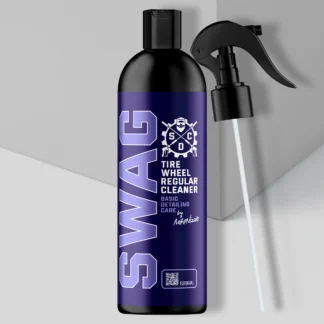
View products →EverydayALKALINE WHEEL CLEANER
Normal brake dust
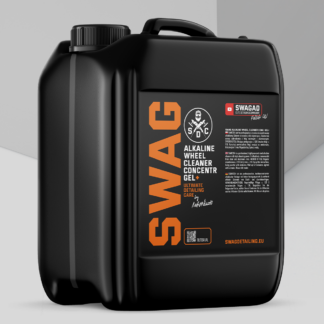
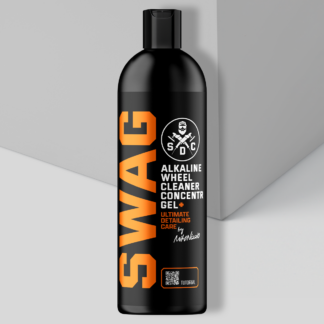
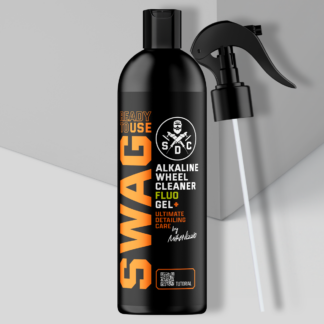
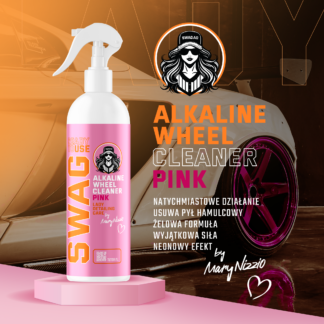
The workhorse for ordinary brake dust and road grime, as a GEL+ concentrate or a ready-to-use FLUO version if you would rather not mix anything. LADY ALKALINE PINK is the same class of cleaner with a softer scent.
- Concentrate or ready to use
- Handles normal brake dust
- 5 L concentrate for heavy use
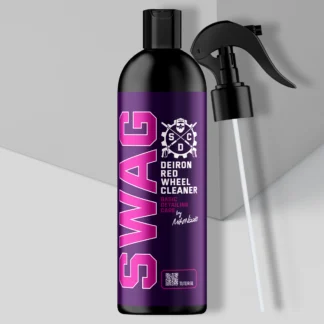
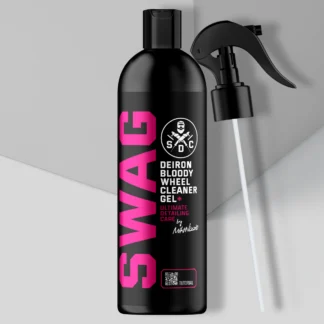
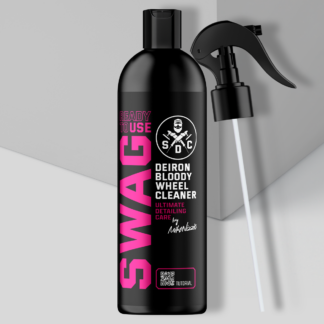
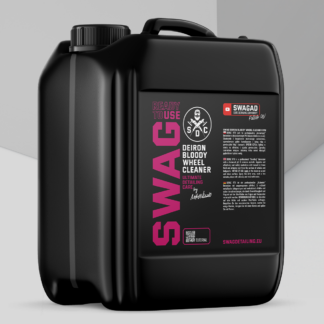
View products →IronDEIRON BLOODY
Embedded fallout, bleeds red
An iron fallout remover rather than a cleaner: it dissolves the hot metal particles welded into the wheel face, and bleeds red as it reacts. Use it every few washes on wheels and on paintwork, where an ordinary cleaner simply cannot reach.
- Dissolves embedded brake dust
- Works on wheels and paintwork
- RTU, GEL+ 1:1 and 5 L
View products → Which alloy wheel cleaner do you actually need?
Three honest answers — the same ones Mike Nizzio gives on camera to 120,000+ subscribers.
How do you clean alloy wheels?
Work on cool wheels, out of the sun, and do them before anything touches the paint. Rinse off the loose dirt, spray the cleaner across the face and into the barrel, let it dwell a couple of minutes without drying, then agitate with a wheel brush and a soft detailing brush around the bolts. Rinse thoroughly, front and back, and dry the wheel so hard water cannot spot it. Every few washes, swap the regular cleaner for DEIRON BLOODY to pull out the iron a normal cleaner leaves behind.
Can you clean alloy wheels with household products?
You can, and we would still tell you not to. Washing-up liquid strips whatever protection the wheel has, and penetrating oils leave a film that holds dust and can dull lacquer over time. None of them dissolve embedded iron, which is the thing actually staining the wheel. A dedicated cleaner is formulated to lift brake dust and then rinse away completely — that last part is what household chemistry gets wrong.
How do you remove tar from a car?
Tar needs a solvent, not a wheel cleaner. Rinse the area, apply a dedicated tar remover to cool paint, give it a minute to soften the spot, then lift it away with a clean microfibre rather than rubbing at it. Petrol and white spirit will shift tar, but they also attack trim, rubber and any wax on the panel, so they are not worth the risk on your own car. Our tar and glue remover sits in Decontamination, and tar removal is the step to do before polishing or coating.
Step by step
- Cool and rinseNever spray a hot wheel — let it cool, then rinse off the loose grit before any chemical goes on.
- Dwell, don't dryGive the cleaner a couple of minutes to react, and keep the wheel wet for the whole of it.
- AgitateBrush the face, the barrel and around the bolts, which is where most brake dust actually hides.
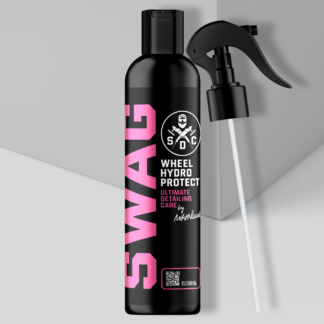
- Rinse and sealRinse thoroughly, dry the wheel, then lay down WHEEL HYDRO PROTECT+ so the next clean takes half the time.
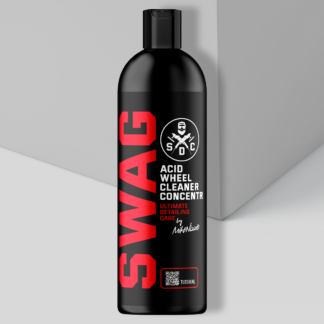
Acid is a last resortACID WHEEL CLEANER 1:20 is the strongest thing on this shelf, and it belongs on neglected, factory-lacquered wheels only. Keep it away from flaking lacquer, polished or bare metal and chrome, work on cool wheels, spot-test first and follow the label for dilution.
Alloy wheel cleaner questions
What customers ask us before they choose a strength.
What is the best alloy wheel cleaner?
The mildest one that still gets your wheels clean. For maintained, coated or delicate finishes that means NEUTRAL WHEEL CLEANER GEL+; for normal brake dust, an alkaline cleaner; acid formulas are for genuinely neglected wheels and nothing else. Reaching for the strongest bottle by default adds risk without cleaning any better. Whatever you use weekly, a deironizer every few washes is what keeps the finish looking new.
What is the difference between a wheel cleaner and an iron remover?
A wheel cleaner lifts what is sitting on the surface: road film, loose brake dust and grime. An iron or fallout remover reacts chemically with the metal particles that have embedded themselves into the lacquer, which is why DEIRON bleeds red as it works. You need both, but not equally often. Cleaner every wash, fallout remover every few.
How do you clean corroded alloy wheels?
Honestly, you do not — no cleaner reverses corrosion. Once the lacquer is blistering and the alloy is oxidising underneath, that is physical damage, and only refurbishment fixes it. What you can do is remove the embedded fallout that accelerates it, using a pH neutral cleaner and a deironizer. On damaged or flaking lacquer, avoid acid products completely.
How do you clean black or painted alloy wheels?
Treat them as painted panels, because that is what they are. Stick to the pH neutral gel for routine washing and DEIRON BLOODY for embedded fallout, as neither will dull a satin or matte finish. Keep acid and strong alkaline cleaners away from matte black wheels — they can leave patchy, shiny marks that no polish will fix. Dry the wheel afterwards so water spots do not set in.
Is a ceramic wheel coating worth it?
Wheels benefit from it more than paint does, because they take the worst of the heat and brake dust. WHEEL HYDRO PROTECT+ seals a clean wheel so dust sits on top of the sealant instead of bonding into the lacquer, and the next clean takes a fraction of the effort. It is not permanent — expect to reapply it, and it will not survive an acid cleaner. Apply it only to a wheel that is genuinely clean and dry, or you seal the brake dust in.
Before and after the wheels
Wheels come first on wash day — here is everything that follows.
M
Written by
Mike Nizzio · Founder, SWAG Detailing13 years in detailing and a working studio in Poland. Every SWAG product is formulated, tested and filmed in-house before it earns the label.
Showing 1–12 of 13 results